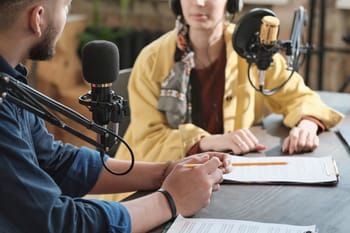

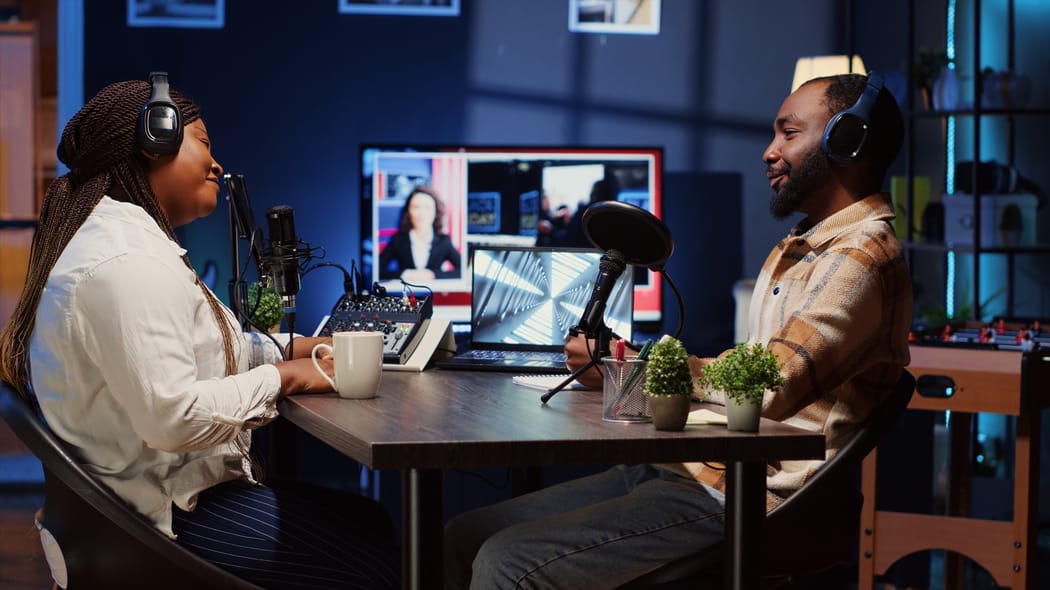
You have likely heard the common advice that every founder in 2026 needs to be a media company. It sounds great in theory, but for a busy entrepreneur, it often translates to a massive calendar crisis. Many professionals believe that building B2B authority requires owning the entire platform. They assume success demands a dedicated studio, expensive microphones, complex hosting software, and a relentless weekly publishing schedule.
However, you do not need to own the stage to own the room. For those looking to maximise their podcast guesting strategy without losing their sanity, the smartest move is not starting a show. It involves leveraging Other People’s Microphones (OPM). If you are currently torn between the desire for influence and the reality of a full work week, shifting your focus to guesting is the fastest way to scale.
The Myth of the Easy Podcast Launch
The barrier to entry for starting a podcast has reached an all-time low, yet the barrier to success remains incredibly high. In 2026, the digital space is crowded with millions of shows that rarely make it past the initial ten episodes. This phenomenon happens because founders underestimate the volume of labor required to maintain a professional presence.
When you start your own show, you take on the role of a producer. You become a talent scout, act as an audio engineer the a marketing director. Each of these roles demands hours of focused attention every single week. For a CEO or a high-level consultant, those are hours taken away from revenue-generating activities. The opportunity cost of hosting a show is often far higher than the potential reward during the first year of growth.

By contrast, the OPM strategy allows you to skip the building phase. You move directly to the delivery phase. You are tapping into a pre-existing infrastructure. The host has already spent years buying the equipment, they have found the audience and refined the format. Your only job is to provide the expertise that makes the episode worth listening to for the audience.
The Host’s Burden vs. The Guest’s Advantage
Running a high-quality show in the competitive media landscape of 2026 is a massive commitment. A professional production involves much more than just talking for an hour. It requires a level of backend coordination that most people do not see.
The Host’s Monthly Commitment (40+ Hours)
The labor involved in hosting is often hidden from the listener. It begins with guest outreach. This means sending dozens of emails to secure one high-quality speaker. Once a guest is booked, the host must spend hours researching that person’s background. They do this to ensure the conversation stays deep and engaging.
Technical management is another hurdle. Even with modern AI tools, troubleshooting audio interfaces takes time. Ensuring a stable connection on remote recording software is a constant battle. Then comes the post-production phase. This includes editing out verbal fillers and adding music. It involves mastering audio levels and creating social snippets for promotion. Finally, there is the distribution work. This means writing SEO-optimised show notes and managing RSS feeds.
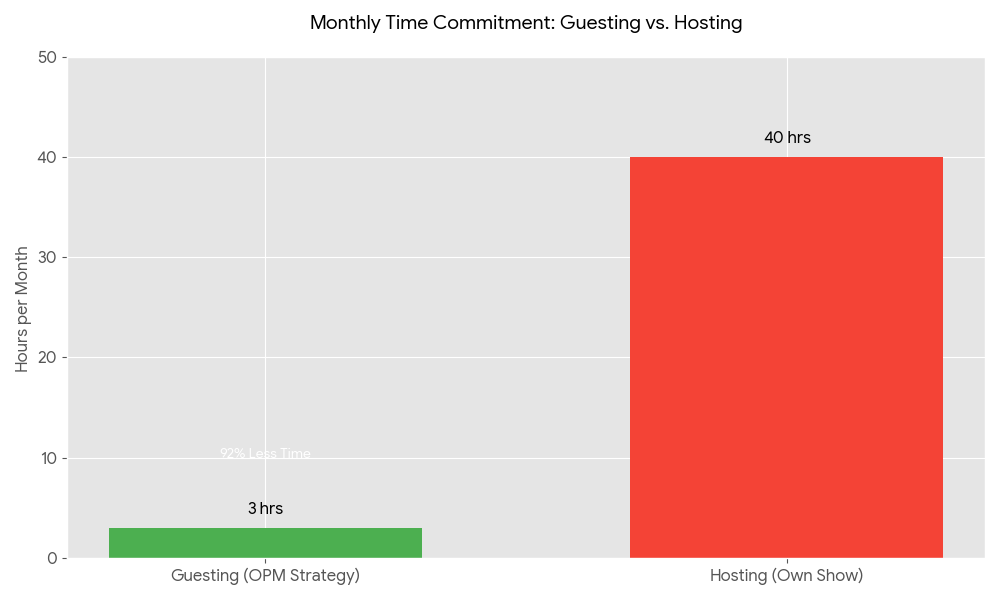
The Strategic Guest’s Commitment (3 Hours)
As a guest, your responsibility is limited to the duration of the conversation. You do not need to worry about the lighting of the studio, or care if the hosting platform is functioning correctly. Your focus remains entirely on your message.
Preparation typically involves a quick review of the host’s previous episodes. You do this to understand the tone and the specific needs of their audience. During the session, you spend 45 minutes delivering your best insights. Afterward, your only task is to share the final link with your own network. This creates a massive disparity in content marketing ROI. You are gaining the same authority as the host for a fraction of the time investment.
The Power of Trust Transfer
Guesting converts well because of a psychological concept called Trust Transfer. When a podcast host spends years building a relationship with their listeners, they develop a high level of intimacy. The audience trusts the host’s judgment implicitly. When that host introduces you as a guest, they are essentially loaning you their hard-earned credibility.
Listeners do not view you as a stranger trying to sell a product. Instead, you are an invited authority figure. This provides a level of organic reach in 2026 that traditional advertising cannot touch. On your own show, you must earn that trust from every new listener starting from zero. On someone else’s show, the host does the heavy lifting for you before you even speak your first word.
This trust transfer is particularly effective for B2B authority building. In the professional world, being introduced by a mutual connection is the most powerful way to start a business relationship. A podcast appearance functions as a digital version of that warm introduction.

Why Diversification Wins the SEO Game
Starting your own podcast is like building an island. You have to work hard to get people to travel to it through search engine optimiation. Appearing on ten different podcasts is like building bridges across the entire ocean. Each appearance provides a distinct set of digital advantages for your brand.
Valuable Backlinks
Most podcast hosts include a dedicated page for each episode on their website. These pages typically link to your website. They link to your LinkedIn profile. They link to your latest book. Because many established podcasts reside on high-authority domains, these backlinks are gold for your own site’s domain authority. It is an automated way to build a backlink profile that would otherwise take months of manual outreach.
Algorithm Signals
In 2026, search engines look for entities rather than just keywords. If your name appears on multiple different platforms, the algorithm identifies you as a relevant figure in your niche. This increases the likelihood of your brand appearing in AI-generated answers for industry-specific questions. Being mentioned across various show notes signals to the web that you are a person of influence.
New Audiences
Instead of speaking to the same small group of subscribers every week, guesting allows you to reach thousands of new people. You can strategically choose shows that cater to different segments of your target market. One week you might speak to a group of tech founders. The next week you are addressing a room of HR professionals. This level of cross-pollination is impossible to achieve with a single owned channel.
Guest Blogging vs. Podcasting in 2026
For years, guest blogging was the go-to strategy for building authority. However, the rise of AI-generated text has diluted the value of the written word. It is now difficult for a reader to know if a blog post was written by a human expert.
Podcasting solves this problem. The intimacy of the human voice is a proof of work that text cannot replicate. Listeners can hear your tone. They hear your passion. They hear your spontaneous reactions to difficult questions. This creates a human connection that leads to higher conversion rates. When people hear you speak, they feel like they know you. That sense of familiarity is the primary driver of sales in a service-based economy.
The Guest Academy: A Shortcut for Busy Founders
We developed the Podcast Guest Academy specifically for people who lack the time to run their own production house. If you are an executive or a consultant, your focus should be on leveraging other people’s audiences. You should not be worrying about audio bitrates.
The Academy focuses on the "Is this course right for me?" section by teaching you how to get booked rather than how to edit. Many people fail at guesting because they treat it like a traditional PR campaign. They send generic pitches that hosts ignore. The Academy teaches a different approach that prioritizes the host's needs.
The Perfect Pitch
Getting on top-tier shows requires a deep understanding of what a host needs. A host does not care about your resume. They care about the value you can provide to their listeners. We teach you how to identify the gaps in a host’s current content. You learn to position yourself as the perfect solution to fill those gaps.
The Value Loop
One of the biggest mistakes guests make is treating a podcast appearance as a one-time event. We show you how to turn a 45-minute interview into a month’s worth of social media content. By repurposing the audio and video from your guest spots, you can fuel your entire LinkedIn feed. You do this without ever having to sit down and write a post from scratch.
Monetising the Mic
Being a guest is fun, but it needs to result in business growth. We provide strategies to move listeners from the podcast app into your sales funnel. This involves creating specific lead magnets tailored to a podcast audience. You learn how to mention them naturally during a conversation. This ensures you do not sound like a salesperson.
Shifting from "I Need a Podcast" to "I Need an Audience"
The desire to start a podcast usually stems from a desire for attention. But attention is not the same as an audience. An audience is a group of people who are already primed to listen to what you have to say.
When you use the OPM strategy, you are acknowledging that the audience already exists elsewhere. Your goal is simply to show up where they are already hanging out. This is a much more efficient use of your marketing budget. Instead of spending six months trying to get your first 100 listeners, you can speak to 5,000 listeners tomorrow. You do this by appearing on an established show in your field.
Long-term Strategy: When Should You Start Your Own Show?
The OPM strategy is the solution for right now. It is the best way to build your initial authority and test your messaging. However, there may come a time when owning the platform makes sense for your business.
You should consider starting your own show only after you have appeared as a guest on dozens of other podcasts. By that point, you will have a clear understanding of which topics resonate most with audiences. You will have a list of potential guests from the hosts you have already met. Most importantly, you will have a pre-existing audience of people who followed you back to your website. Starting a show with 500 loyal fans is much easier than starting with zero.
Content Marketing ROI: The Hard Numbers
If you value your time at a professional rate, a self-hosted podcast costs you thousands of dollars per month in labor. To see a return on that investment, the podcast needs to generate high-ticket leads immediately.
The OPM strategy costs you a fraction of that in time. If a single guest appearance results in one new client, the ROI is astronomical. For most B2B professionals, the math clearly favours the guesting model. It allows you to stay lean while maintaining a massive digital footprint. You are utilising the assets of others to grow your own bottom line.
Overcoming the Gatekeeper Fear
Many entrepreneurs avoid guesting because they are afraid of being rejected by hosts. They feel that they are not famous enough to be on the top shows. This is a misunderstanding of how the podcasting industry works in 2026.
Podcast hosts are in a constant state of content hunger. They have a schedule to fill. They have an audience to satisfy. They are not looking for celebrities. They are looking for experts who can tell a good story and provide actionable advice. If you can prove that you will make their show better, the gates will open.
The Future of Influence is Distributed
In the past, authority was centralised. You had to own the television station or the newspaper to have a voice. Today, authority is distributed across millions of digital niches. Trying to own one of those niches from scratch is a slow and expensive process.
The OPM strategy aligns with the reality of the modern internet. It recognises that influence is about being present in the right conversations. By appearing on established shows, you are inserting yourself into the cultural fabric of your industry. You are becoming a part of the existing dialogue rather than trying to shout over it from your own empty room.

Practical Steps to Start Your Guesting Journey
If you want to begin using other people's microphones, start by auditing your own expertise. Identify the three most important problems you solve for your clients. These become your talking points.
Next, find shows that speak to your ideal customers. Do not look for the biggest shows in the world right away. Look for the shows that have a highly engaged audience of people who need your help. Use platforms like Matchmaker.fm to find hosts who are actively looking for guests with your specific background.
The Art of Being a Great Guest
Being a great guest is about more than just having knowledge. it is about being a good performer. You need to understand the rhythm of a conversation. You need to know when to give a short answer and when to tell a long story.
The best guests are those who make the host look good. If you can provide a high-quality recording and an engaging interview, the host will likely invite you back. They will also recommend you to other hosts in their network. This creates a snowball effect of authority that grows larger with every appearance.
Conclusion: The Mic is Waiting
The most successful brands in 2026 are not necessarily the ones with the most equipment. They are the ones with the most reach. Shifting your mindset from "I need a podcast" to "I need an audience" allows you to build authority in a sustainable way. You can spend your time managing a production team, or you can spend your time sharing your expertise.
The microphones are already live. The audiences are already listening. You do not need to build the stadium to play the game. You just need to show up and speak.