
Introduction: Your Podcast Needs to be Discoverable
If you have a podcast, making sure people can find it is vital. Listeners often have a specific query or problem in mind, making them more likely to engage with relevant content. But they need to find it first.
YouTube has become a leading platform for podcast discovery. Research from Forbes found that 40% of listeners discover their favourite podcasts using YouTube, and 40% also name it as their primary podcast listening platform.
Tom Webster at Sounds Profitable explains that discovery is happening where people already spend their time:
“Youtube, social feeds, and personal recommendations have become the front door to podcasting. If you’re relying primarily on trailers, chart positions, or cross-promotion within podcast apps, you’re missing where most new listeners are actually entering the medium.”
Why Video Podcasting Matters For Discovery
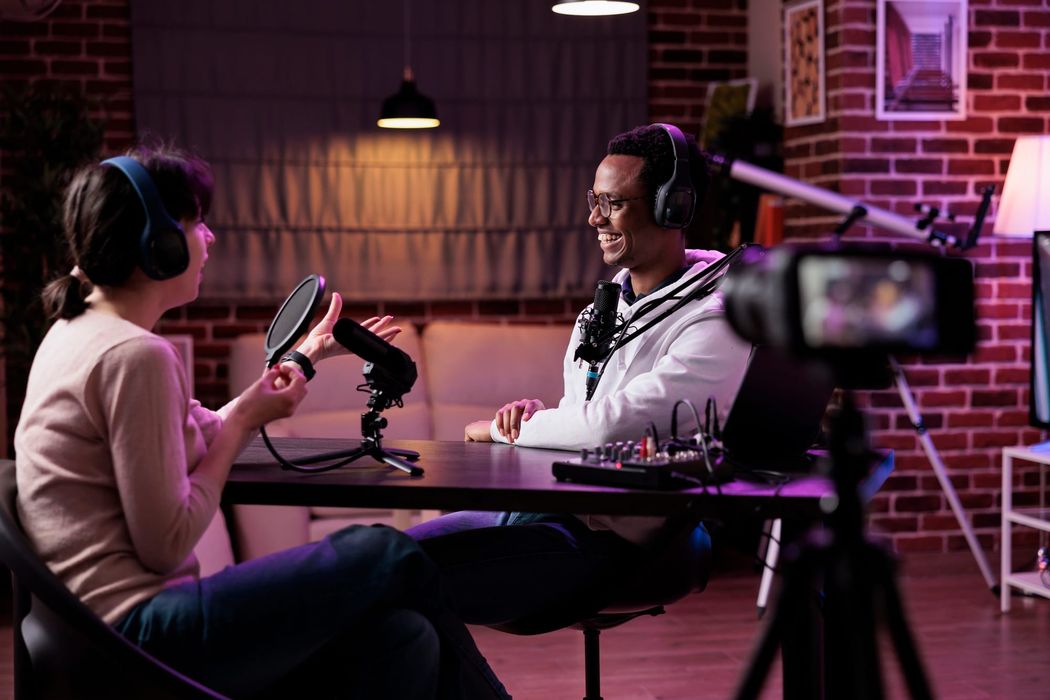
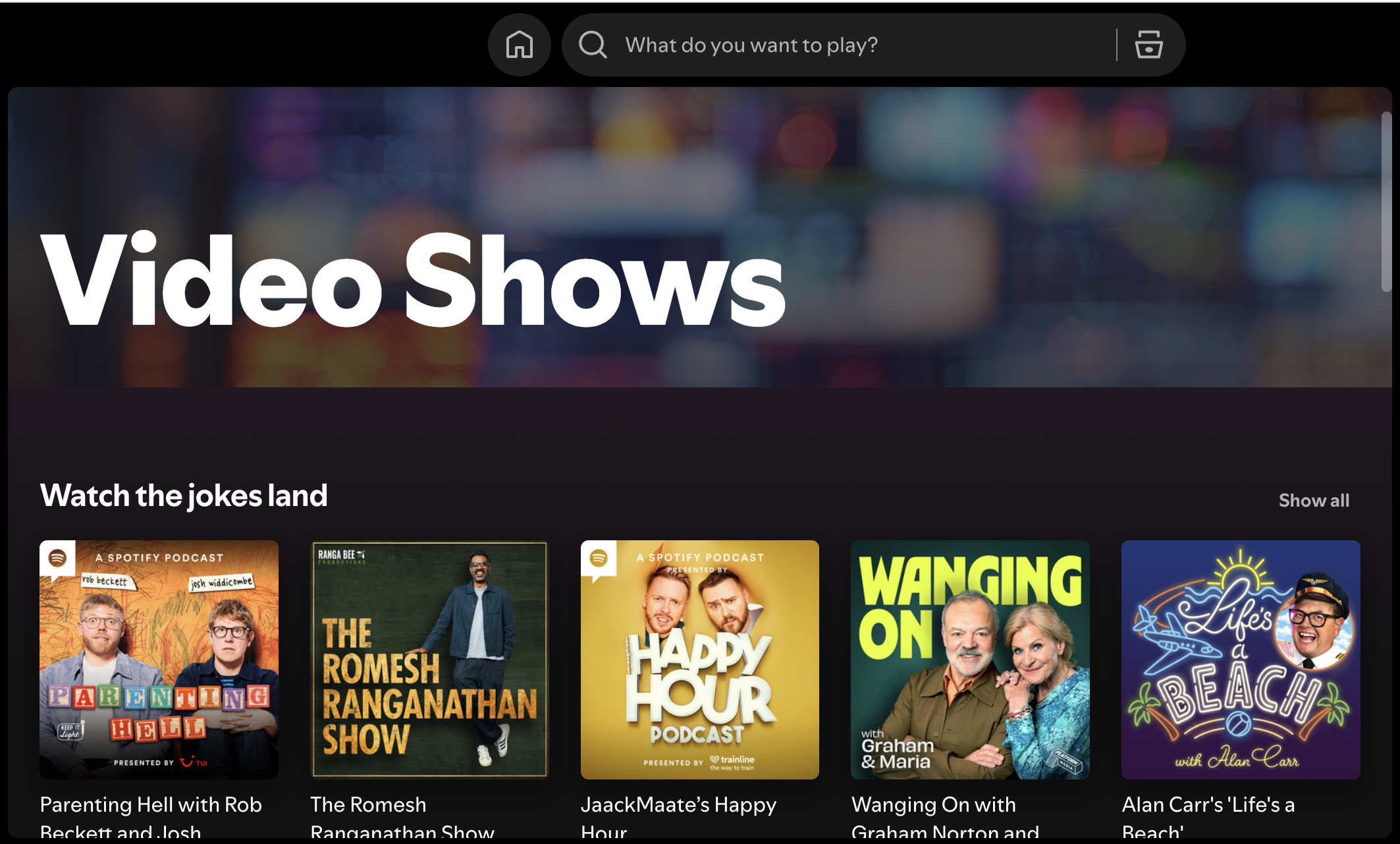
Video podcasting is also growing in popularity. Short clips from podcasts regularly appear across social platforms, giving audiences a glimpse of conversations before committing to the full episode. Facial expressions, body language, and real-time reactions can add another layer to the listening experience, while video clips help shows reach audiences on TikTok, Instagram Reels, and YouTube Shorts.
A well-packaged video episode can introduce your show to people who have never heard of it before. However, creating engaging content is only one side of the story. Making your episodes accessible, searchable, and easy to discover is just as important.
How to Improve Podcast SEO for YouTube
YouTube combines search results and personalised recommendations, giving your episodes the potential to reach new audiences beyond your existing listener base. Effective podcast SEO for YouTube helps people find relevant episodes when they’re searching for answers, topics, or guests that interest them.
To make the most of this, focus on three key areas: visual hooks, searchable metadata, and guests who are ready for video.
Make Your Podcast Visually Watchable
Give Viewers a Reason to Stop Scrolling
With so much content competing for attention, video podcasts need to offer something compelling before viewers press play. Thumbnails, titles, and opening frames all help audiences decide whether an episode is worth their time.
Visual hooks can help capture viewer attention:
- Expressive Reactions: Authentic emotion signals an unexpected, exciting, or interesting moment worth watching.
- Engaging Facial Expressions: Focus, laughter, or surprise adds personality and communicates the episode’s emotional tone.
- Interesting Demonstrations: Props, experiments, and physical demonstrations transform a static conversation into a dynamic discussion viewers can see and follow.
- Natural Host-Guest Interactions: Body language, eye contact, and spontaneous reactions make conversations feel more engaging and relatable.
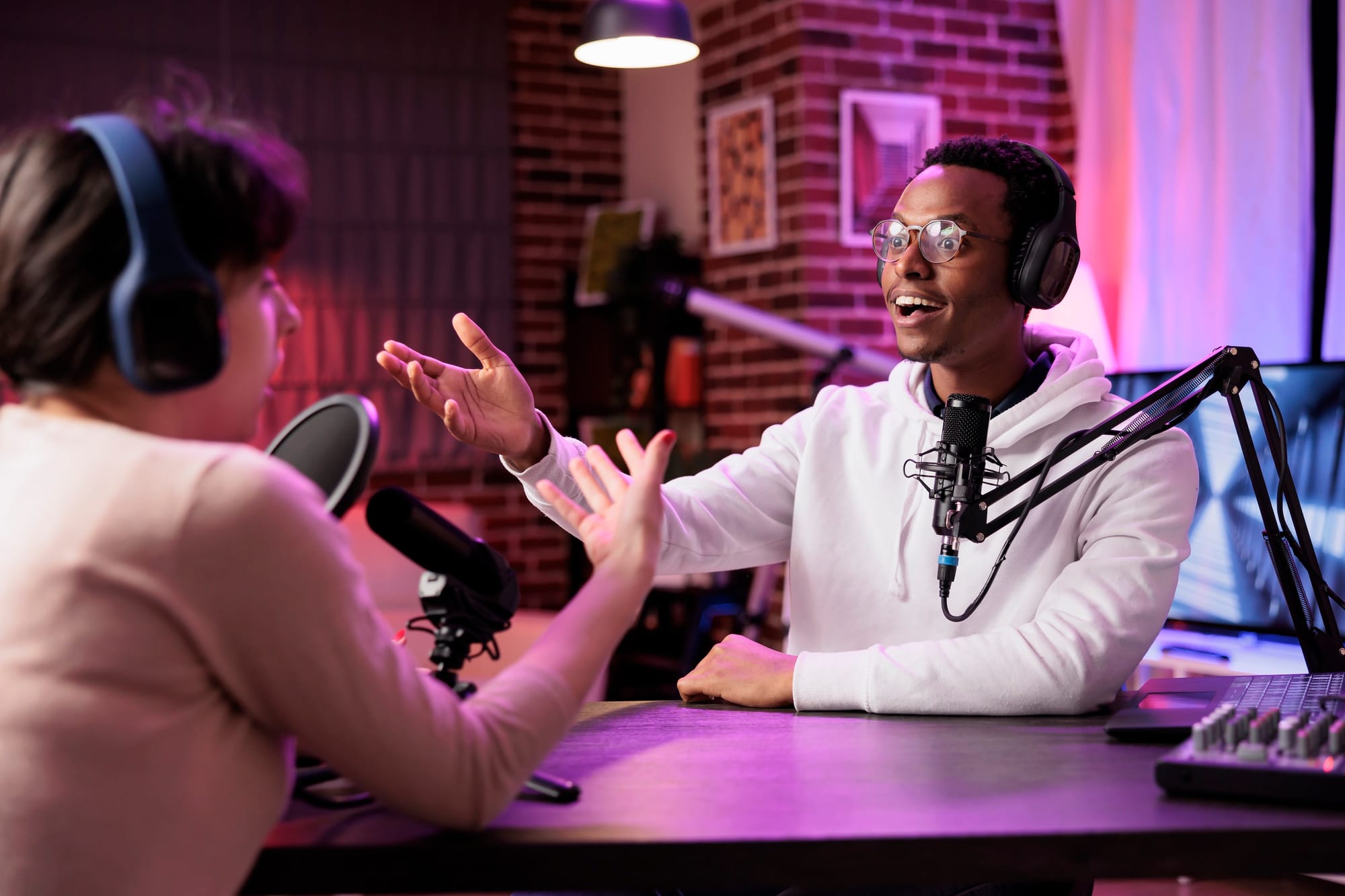
Video can also simplify complicated themes through graphics, diagrams, and visual explanations. For example, a business podcast discussing market trends could use charts to illustrate statistics that might otherwise be difficult to follow through audio alone.
Short clips are also ideal for social media. Instead of asking audiences to commit to a full episode, share an interesting moment that introduces the conversation in a quick, accessible format. An unexpected opinion, useful insight, or emotional story can capture attention and encourage viewers to watch the full episode.
This creates more opportunities to reach audiences on platforms where they already spend their time, rather than relying on existing listeners, podcast directories, or people actively searching for your show. For more ideas, explore our guide to building a podcast social media strategy.
Master Your YouTube Metadata
Metadata helps YouTube understand your podcast content. It includes episode titles, descriptions, tags, thumbnails, transcripts, and captions. Optimising these elements helps your content appear in relevant search results and recommendations, making it easier for interested audiences to find your episodes.
Effective metadata is a key part of podcast SEO for YouTube. It can also improve the chances of your content reaching people who haven’t discovered your show yet.
Episode Titles
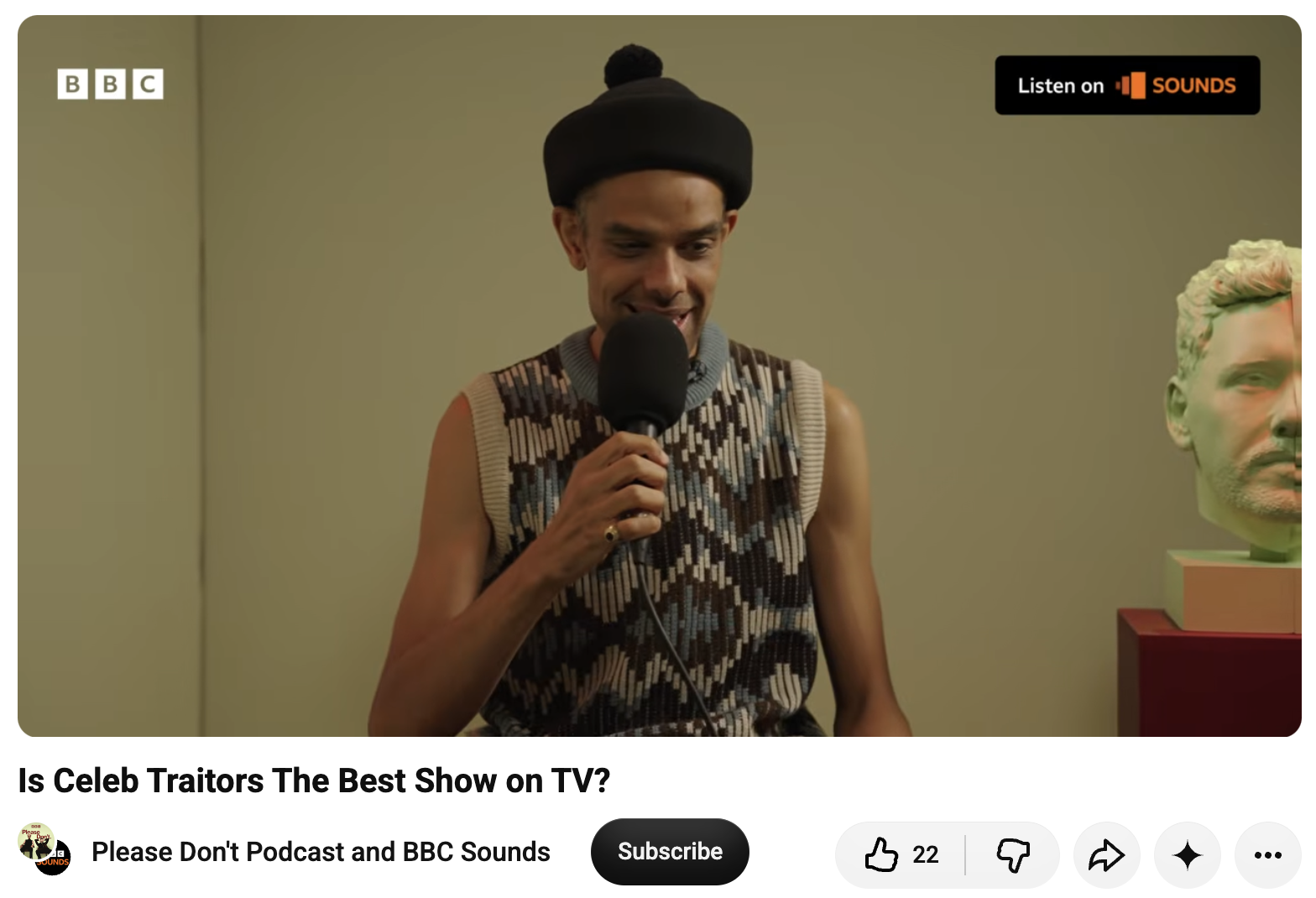
Your title should give viewers a clear reason to click. Instead of simply naming the guest or describing the conversation, show people what they’ll learn or what problem the episode can help them solve.
- Keep it concise: Aim for around 60 characters to reduce the risk of your title being cut off in search results
- Lead with primary keyword: Place your main search term, or a close match to the user’s search query, near the beginning, where it reads naturally.
- Match search intent: Write a clear, benefit-driven hook that tells viewers what the video covers or what problem it solves. For example, use “How to Build a Podcast Audience” instead of “A Conversation with [Name]”. The first gives viewers a clear benefit and reflects something they might actually search for.
Tags
- Keep them relevant: Focus on tags that accurately describe your episode rather than adding as many as possible.
- Include variations: Use related terms, alternative spellings, and common misspellings where relevant.
Keywords & Transcripts
- Embed keywords early: Include your primary keyword naturally in the opening lines of your video description.
- Include related terms: Think about other phrases or terms your audience might search for around your topic.
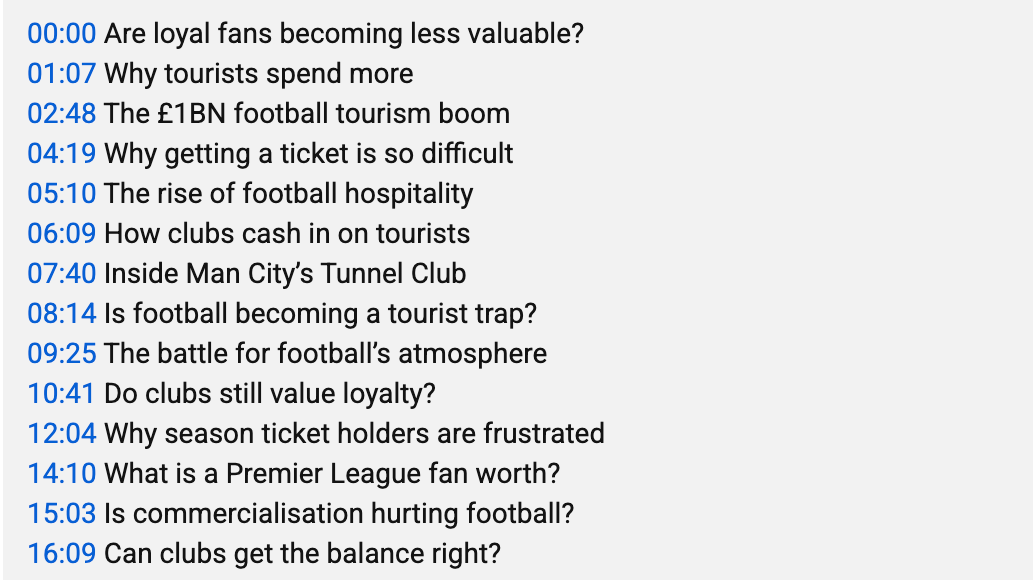
- Structure transcripts logically: Use accurate captions and clear chapter markers to help viewers navigate your content.
- Align timestamps: Give chapters descriptive titles so viewers can find the sections most relevant to them.
Accurate captions also make your content easier to follow and more accessible. Our guide to accessible podcasting covers how to make your show more inclusive.
Thumbnails
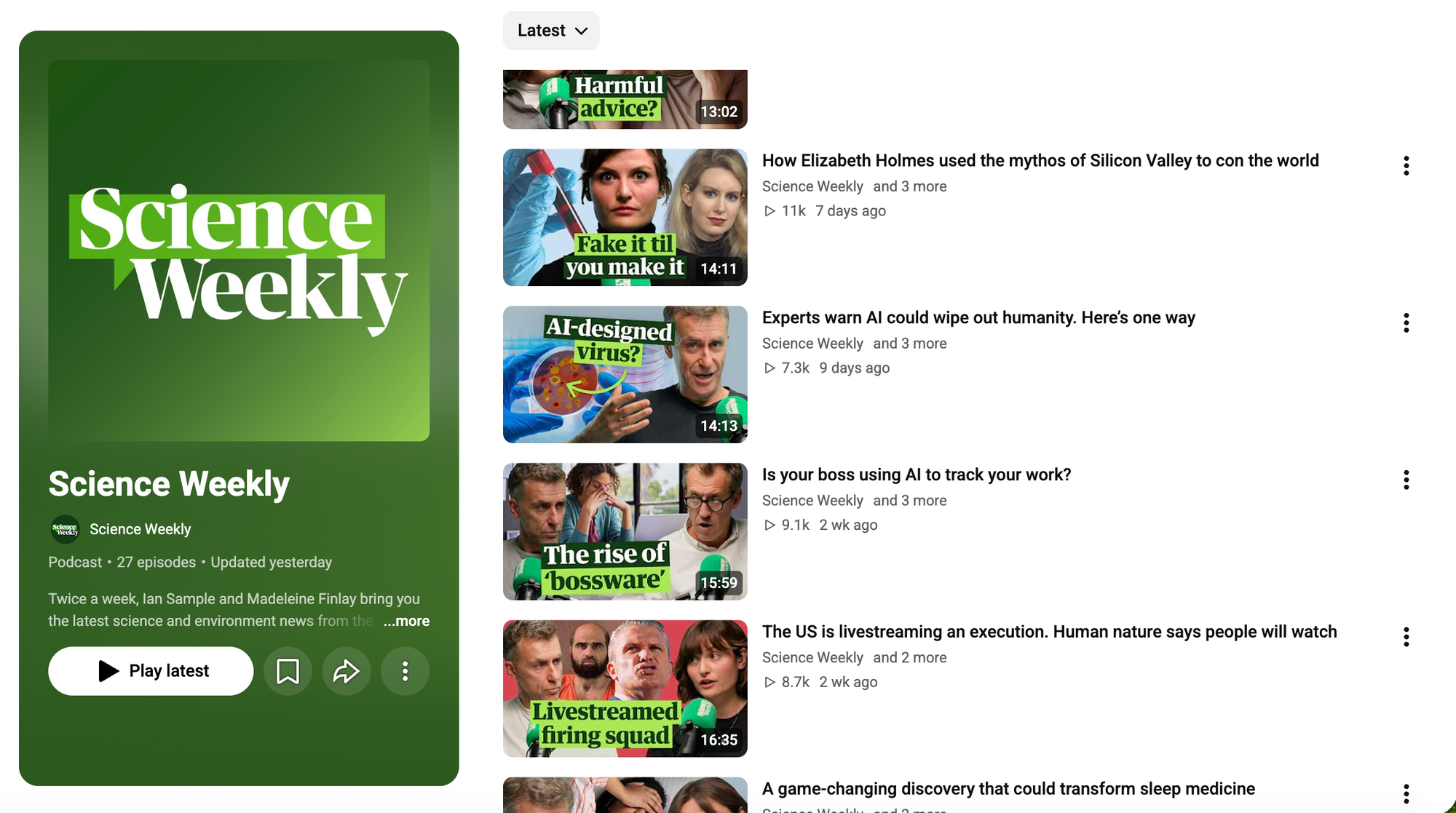
- Get the dimensions right: Use 1280x720 pixels with a 16:9 aspect ratio.
- Stay consistent: Use a recognisable style across your channel to help viewers identify and trust your videos.
- Make an impact: Use clear visuals and minimal text that are easily readable on smaller screens.
- Avoid clickbait: Make sure your thumbnail accurately reflects the episode.
For more advice on growing your show, see our guide on what makes a successful podcast.
Choose Guests Who Are Ready for Video
If you’re incorporating video into your podcast, your guests and their recording setups need to meet production demands. Poor video and audio quality can distract viewers and make episodes less engaging. Preparing your guests beforehand helps your recordings look and sound more professional and polished.
Why Your Guest’s Setup Matters
Your guest's recording environment directly affects production quality, which can have a knock-on effect on audience engagement, retention, and your post-production workload. Prioritise these three areas:
- Audience engagement: Clear video and crisp audio help viewers focus on the conversation. Blurry footage, muffled voices, and background noise can distract them.
- Clip shareability: Clips for TikTok, YouTube Shorts, and Instagram Reels help promote your podcast. Poor lighting or low-quality footage can make these clips less effective.
- Editing efficiency: Fixing audio issues, reducing background noise, and syncing footage can be time-consuming. A clean recording saves editing time and helps keep production costs low.
Use MatchMaker.fm to Find Video-Ready Guests
To streamline your booking process, use MatchMaker.fm to find, connect with, and chat to potential guests, instead of relying on cold email pitches.
MatchMaker.fm is our community platform connecting podcast hosts and guests across a wide range of categories, making it easier to find guesting opportunities or relevant experts for your show.
- Video-Enabled Filtering: Use the Video-Enabled filter to narrow your search to guests with a professional camera setup. This helps you find people better suited for video recording and reduces search and screening time.
- Find Your Niche: Search specialist categories to discover relevant experts who can bring valuable knowledge and fresh perspectives to your show.
- Simplify Booking: Use built-in messaging and scheduling tools to organise outreach and manage guest arrangements in one place.

Pro Tip: Sharing YouTube videos in your own MatchMaker.fm profile can also help with SEO and your channel’s discoverability in search engines!
If you are approaching shows as a guest yourself, our guide to writing a podcast pitch can help you stand out.
Turn Every Episode into a Discovery Opportunity
The most important thing to remember is that publishing your episode is only the first step. To get the most out of each recording, think about how to repurpose and distribute your content across different platforms.
- Create short-form clips: Pick out the strongest moments from each episode and turn them into clips for YouTube Shorts, TikTok, and Instagram Reels.
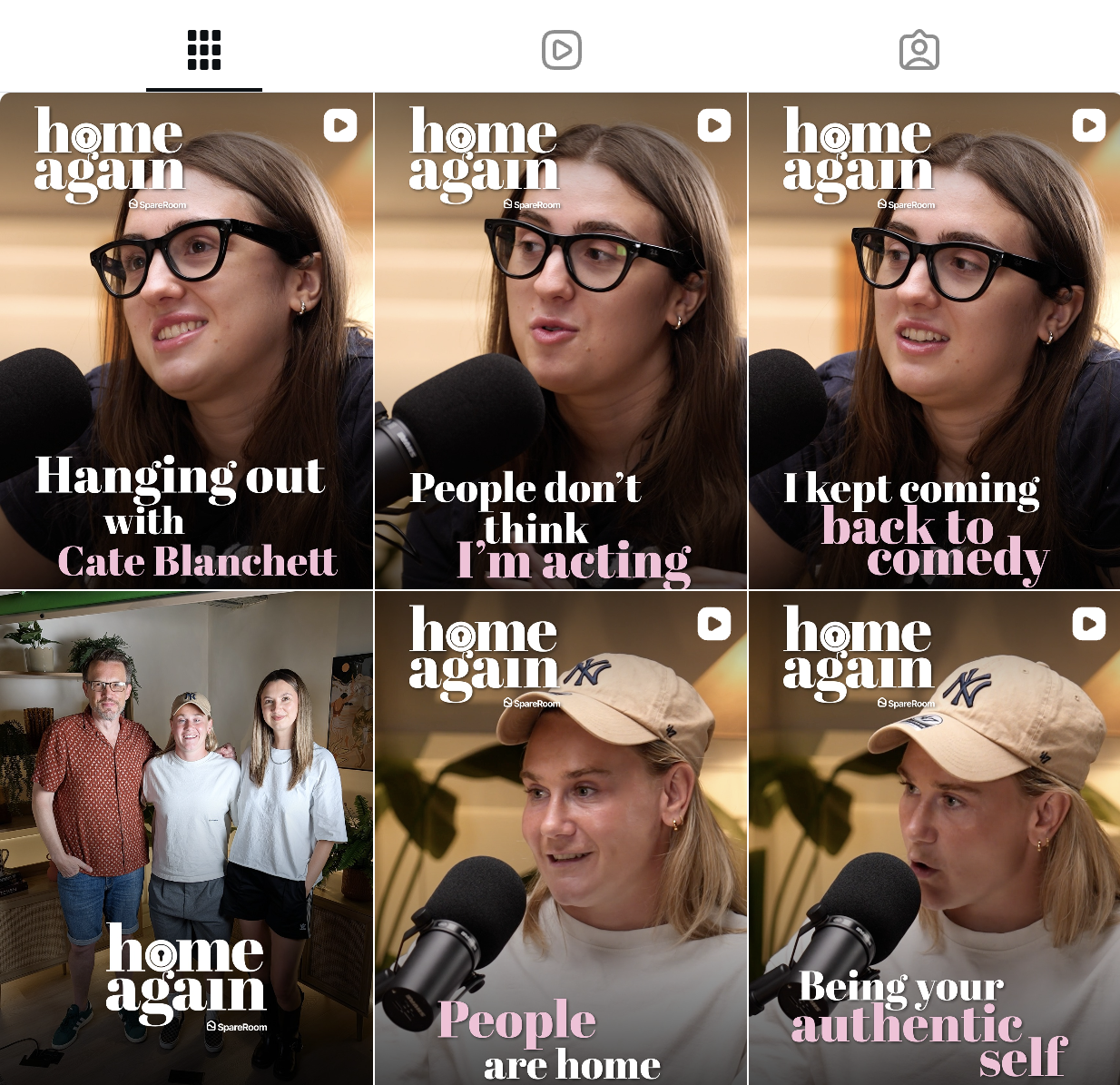
- Optimise every upload: Give each video a clear title, relevant description, and engaging thumbnail that accurately reflects its content.
- Link related content: Direct viewers to relevant episodes, playlists, and your full podcast to encourage future listening.
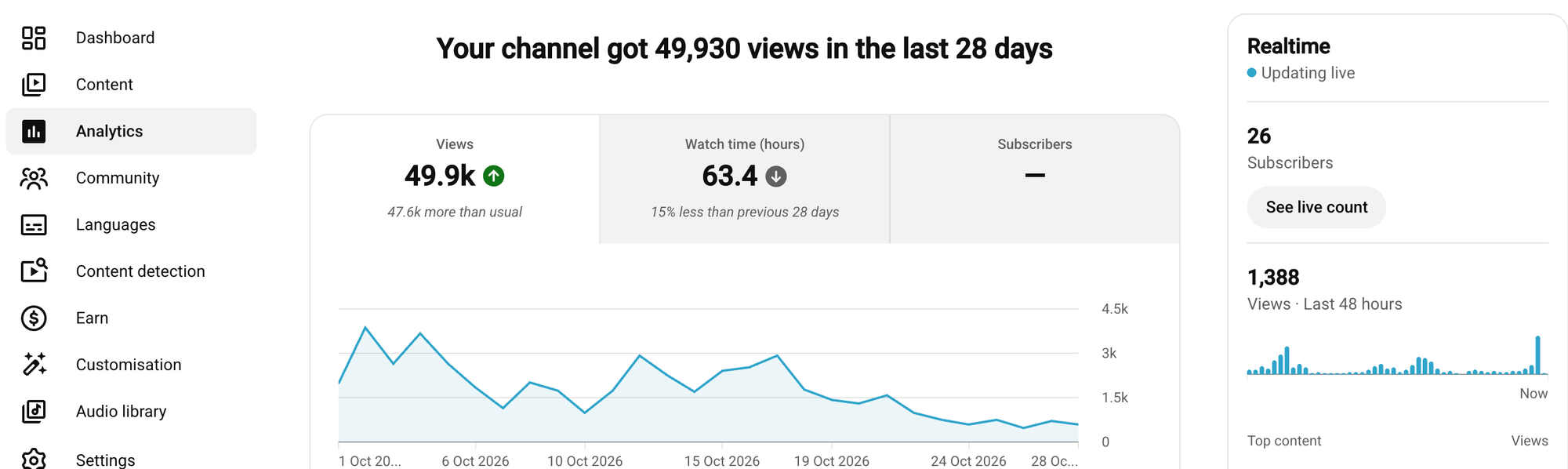
- Review performance: Use YouTube analytics to see how people find your videos, which episodes and topics attract the most attention, and at what point viewers drop off. Use these insights to improve future episodes.
You can also make it easier for guests to promote their appearance by sharing ready-made clips and suggested copy. Our guide to getting guests to promote your podcast explains how to encourage them to share the episode with their own audiences.
Conclusion: Make Your Podcast Easier to Find
To grow your podcast, you don’t need to hop on every trend taking over the internet. Instead, focus on creating useful, engaging content and making it easy for the right people to find. This is the foundation of effective podcast SEO for YouTube.
Start off with searchable, benefit-driven episode titles, compelling visuals, and a schedule of guests who are ready for video. Then repurpose your strongest moments into short clips to reach people beyond your existing audience. YouTube offers another route to discovery, but the basics remain the same: understand your audience, give them something worth watching, and make it easy to find.
Ready to take your podcast further? Join MatchMaker.fm to connect with video-ready guests who can bring perspective, expertise, and new opportunities for your show.