

Why Personal Branding is Changing in 2026
It’s no secret that the workplace looks completely different from how it did five years ago. Hybrid working, the presence of different generations (particularly Gen Z), and, the rapid rise of AI have reshaped how we work and communicate.
Personal branding has shifted from a sidelined business strategy to a non-negotiable necessity. To keep up with this transformed landscape, individuals and businesses must actively invest in their personal brand.
Work With AI, Not Against It: Visibility Depends on Trust
Today, around 60% of Google searches end without a click. AI overviews now appear immediately after a search, condensing reams of information into a digestible format and giving users what they want without requiring them to visit a website.
Over 40% of users trust AI-generated search summaries, which makes brand credibility more important than ever. If AI doesn’t recognise you as a reliable source of information, you simply won’t appear in search results.
The focus is now on working alongside AI, crafting a brand that AI can understand, break down, and trust. Visibility depends less on a polished image and more on demonstrated expertise and reliability.

Where Podcasts Come In
Long-form audio conversations, like those in podcasting, can strengthen perceived authority and help give AI the signals it needs to analyse and trust your content. There are plenty of ways to strategically incorporate SEO and AEO into a branded podcast, helping AI understand what it’s about and why it’s credible:
- Detailed show notes help AI pick out key themes and phrases from episodes
- Clear, keyword-rich episode titles help users and AI quickly figure out if your content is relevant
- Transcripts and timestamps increase the chances of your content appearing in search results and AI summaries
- Internal and external links help your content be seen as credible
- Backlinks expose your brand to a whole new audience, for example, when podcast guests link your content on their own pages
The Decline of Institutional Trust
As AI takes up what seems to be a large and permanent space in the business world, there has been an interesting counter-effect: an increased demand for human input.
With the sheer volume of AI-generated content increasing constantly, users are becoming more sceptical of what’s human and what’s not, and this isn’t limited to artificial intelligence. In recent years, studies have shown that users are less likely to trust information from government officials, CEOs, business leaders, and journalists.
What people do trust are peers, experts, and individuals who are relevant and relatable. They want a face, a voice, or some concrete proof of why that individual has authority to speak on a topic.
AI has increased the demand for authentic branding. A polished and perfected corporate image is not enough - and perhaps even counterproductive.
Hybrid Work & Generational Shifts
Working from home is here to stay, and so are the cultural shifts brought with it. We operate in a digital-first society, and with fewer in-person, face-to-face interactions, online presence and digital footprints have become critical.

The mixing of generations in the workplace has also had an impact. Gen Z, in particular, now have new priorities. Younger generations value brands that support meaningful causes, and adopt an image of transparency.

What This Means for Your Personal Brand
Successful personal branding in 2026 means discarding that refined corporate persona and adopting a more candid approach - sharing opinions, challenges, and mistakes alongside successes.
Building a network, providing value to a community, and encouraging genuine engagement is now more important than simply having a large audience.
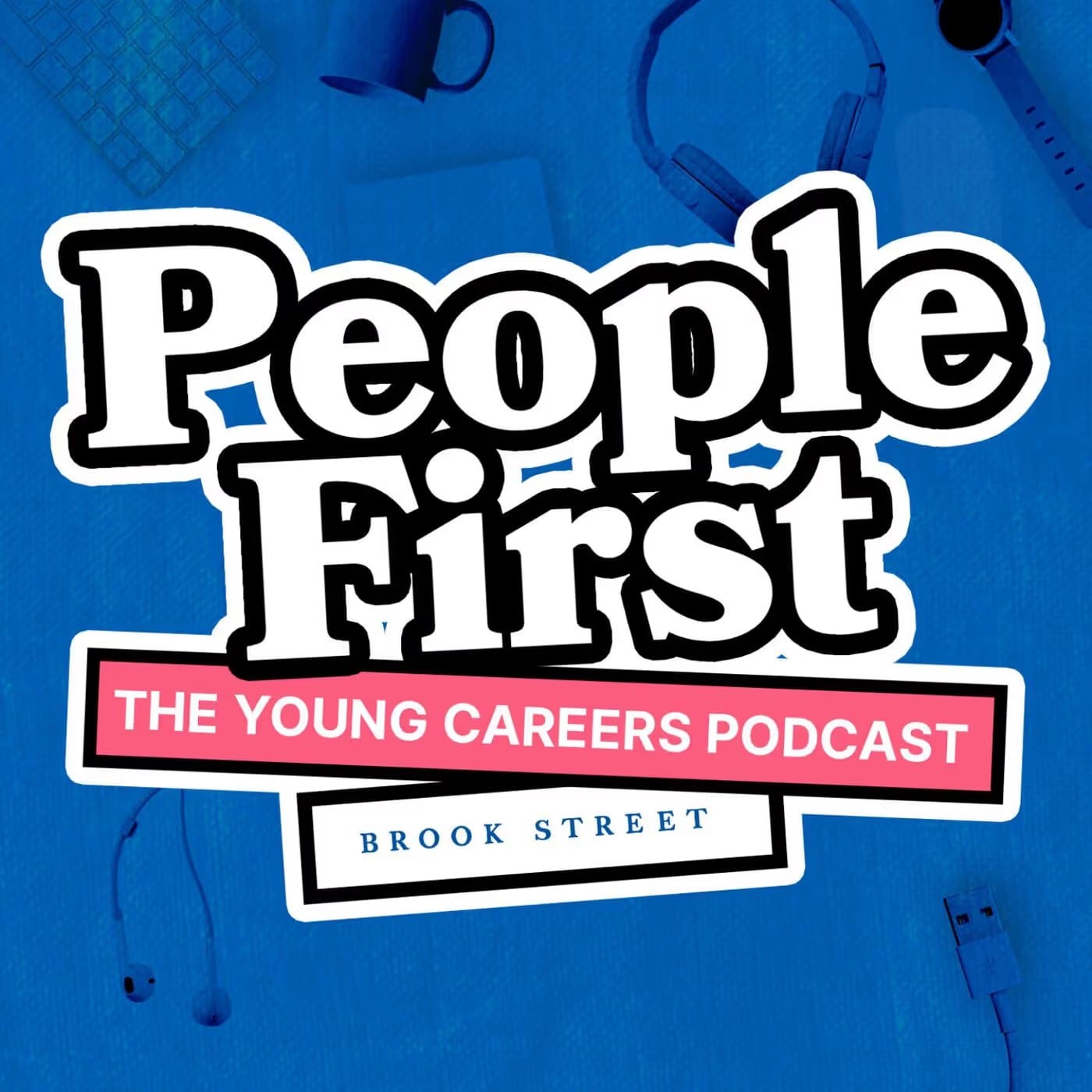
Take Brook Street Recruitment, for example. Their PeopleFirst podcast is focused on young people navigating early career life. Through addressing specific challenges or situations this audience faces, from financial literacy and mental health to professional insights, the podcast provides practical value, strengthening overall trust in the company.
Why Social Media Alone Cannot Build Trust
As social media has become saturated with brands and advertisements, users have become more adept at blocking them out. While content may be seen thousands of times, there is often a lack of genuine engagement.
Algorithms are not your friend. Social media platforms prioritise showing content that serves their goals. Trending, entertaining content is what stays on feeds, often favoured over high-quality, specialised campaigns.

Social media was rated the least trusted source of information by 74% of participants in a 2026 survey. Short, fleeting social media ads offer a superficial image of success, and lack the depth needed to demonstrate the experience and expertise users want to see.
The constant pressure to stay visible and trending reduces space for content made for genuine engagement, in turn reducing consumer trust.
Putting a Voice to the Name: Podcasts as a Long-form Trust Medium
Long-form content such as podcasting is being recognised more and more as a personal branding gamechanger. As trust in short-form social posts stagnates, branded podcasts take audiences on a deep-dive into a brand or individual’s intentions, history, successes, and failures.
When listeners hear people speak on a podcast about a subject, this builds trust and credibility. Thoughtful content tailored for a specific audience allows for deeper connections between brands and consumers, leading to increased loyalty.
Audio content also humanises your brand, making it more relatable and personal. It adds an authentic touch that aligns with what today’s consumers are seeking.

Thought Leadership Through Long-Form Conversation
As defined by Jay Baer (marketing expert):
“A thought leader is someone with proven expertise and experience who isn’t afraid to share it with the world without direct compensation.”
Podcasting transforms your brand from one simply trying to sell something, to one committed to sharing knowledge and insight without necessarily receiving anything in return.
Long-form, unfiltered conversations let listeners engage on-the-go and trust that the information is genuine, and not just a sales tactic.
Podcast Guesting for Growth
A podcast guesting strategy helps establish an expert reputation. Conversational interviews, often grounded in relatable stories and experience, add to an authentic and human brand image.
65% of podcast listeners say they’re more likely to engage with a brand they have heard about on a podcast. Guesting increases brand awareness, building your reputation as a thought leader while tapping into new audiences. It also encourages networking, leading to future collaborations.
The ‘Evergreen’ Advantage
Podcasts are very accessible. Listeners both new and old can return time and time again to consume your content, lasting far longer than social posts.
With video podcasting on the rise, audio content can also be repurposed for different platforms (audio snippets, articles, blog posts, teaser videos), maximising ROI.
Podcast SEO
If you invest in a podcast personal branding, investing in podcast SEO is the next step. This amplifies audience reach and strengthens discoverability through organic search.
Using keywords in titles, descriptions, timestamps, captions, and transcripts increases the chances of your podcast cropping up in searches, and helps users navigate the content. It also keeps your content accessible for and inclusive to all.
Off-Platform Discoverability
Not everyone listens to podcasts regularly or uses podcast apps. Repurposing and sharing content across platforms reaches broader, more diverse audiences.
Because podcasts are typically released as series with several episodes, this offers endless opportunities for discoverability. Well-curated descriptions, titles, and keywords extend the shelf-life and reach of each episode.
To amplify off-platform reach, use:
- Email campaigns with updates, offers and curated content, such as episode recommendations and playlists
- Social media audio and video snippets shared across platforms like TikTok, LinkedIn, and Instagram, driving users back to podcast episodes
- Collaborations with industry experts to share stories and insights and complementary brands for cross-promotion
- Analytics tracking (downloads, listener demographics, drop-off points) to identify growth opportunities

Why You Should Prioritise Podcasts For Your Personal Branding in 2026
As podcasts continue to captivate society, investing in them can boost your personal branding in a multitude of ways:
Builds Trust
Keeps your brand human, using long-form audio conversations to show credibility and transparency.
Establishes Expertise
Demonstrates role as a thought leader, interested in providing value, regardless of outcomes.
Maximises ROI and Longevity
Content is evergreen and accessible, able to be repurposed across formats.
Expands Discoverability
SEO, guesting, and off-platform sharing opens doors to fresh audiences.
Ready to Make a Mark?
Take a look at our article on using podcasts as an advertising strategy for some inspiration here, or read our blog post exploring how to build your podcast from the ground up.
Podcasts are pioneering a more trusted form of consumer connection. If you’re ready to make podcasts a part of your personal brand strategy in 2026, we can help you get there. Join MatchMaker.fm today to start connecting with diverse guests and grow your audience.