


If you’re a podcaster booking guests or a guest pitching podcasts, you want the same thing:
- A conversation that feels natural (not like a scripted TED Talk)
- A clear takeaway listeners can actually use
- A couple of moments worth clipping, sharing, and sending to your mum
- An outcome that matters: subscribers, leads, credibility, relationships
And in 2026, that bar is only getting higher.
Podcast listening in the UK is already mainstream: 51% of people aged 16+ listened in the last month, and 33% listened in the last week (Edison Research’s UK Podcast Consumer 2025 — Edison Research / UK stats summary). That’s a lot of shows competing for the same ears and attention.
Plus, podcasts aren’t just “listening” anymore. Consumption is increasingly audio + video, and “watching podcasts” is now a normal behaviour in its own right.
Even if your show is audio-first, the takeaway is simple: your episode has to work as a story + structure + clips package, not just a one‑hour file in someone’s podcast app.
So what’s the differentiator?
It’s not “bigger guests.”
It’s better interviews.
Below, we’ll break down six genuinely great podcast interviews and the exact host + guest moves that make them work. Then you’ll get two practical, copy‑paste one‑sheets (one for hosts, one for guests) so you can turn these lessons into better outcomes all year.
The definition of a “great interview outcome” (so you can measure it)
Before we steal tactics, let’s define success. Because “it was a nice chat” isn’t a metric.
A great interview outcome has three layers:
1) Listener outcome
- The listener knows what the episode is about within the first 60 seconds.
- The conversation stays on‑topic without feeling rigid.
- There’s at least one “I’m stealing that” takeaway.
2) Host outcome
- The guest makes your show look good: prepared, clear, easy to follow.
- The episode is easy to edit (fewer tangents, fewer awkward pauses).
- You get clip‑worthy moments for promotion.
3) Guest outcome
- Your expertise lands without sounding sales-y.
- You deliver one or two memorable frameworks (so people remember you).
- Your call‑to‑action is natural and relevant.
If you want a simple scorecard, use this after every recording:
The 5‑Point Interview Outcome Score (quick and brutal)
- Could a stranger summarise the episode in one sentence?
- Did we hit a clear “turning point” moment (story, insight, confession, realisation)?
- Do we have 2+ moments worth clipping?
- Did the guest earn trust (specific examples, clarity, humility)?
- Is there a clean next step (subscribe / follow / resource / contact) that doesn’t feel forced?
Hit 4/5 consistently and you’ll have a very good 2026.
The 6 interviews (and the moves worth stealing)
1) Brené Brown on The Diary Of A CEO — Start with a shared contract
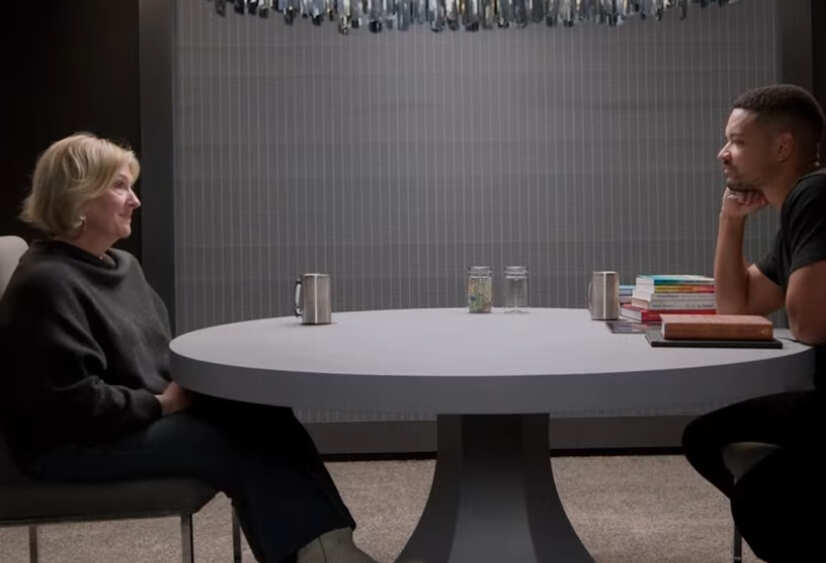
Listen: “The Diary Of A CEO” with Steven Bartlett (Brené Brown)
This episode works because it’s clear what you’re here for.
There’s a theme (courage, power, shame, leadership), and the conversation returns to it again and again. That clarity isn’t accidental — it’s the result of a shared contract between host, guest, and listener.
What hosts can steal
- Open with a one‑sentence promise. Not a biography. Not a 3‑minute sponsor read. A promise.
- Example: “Today you’ll learn why power isn’t the problem — and how to use it without losing trust.”
- Ask the contract question early:
- “What do you want people to believe or do differently by the end of this?”
- Name the boundaries.
- “We’ll cover X, Y, Z — and we’re going deep on the parts people usually avoid.”
What guests can steal
- Bring a thesis, not a list of talking points.
- One main idea + 2–3 supporting points.
- Bring two stories that prove your point.
- One success story, one “this went wrong” story.
- Offer a repeatable line.
- If someone hears a clip on LinkedIn, can they repeat it without context?
Try this next recording
At minute 5, ask:
“If someone only hears 60 seconds of this episode, what do you want that 60 seconds to teach them?”
That question alone will improve your editing, your clips, and your outcomes.
2) Yoshua Bengio on The Diary Of A CEO — Make stakes obvious (without going full doomscroll)
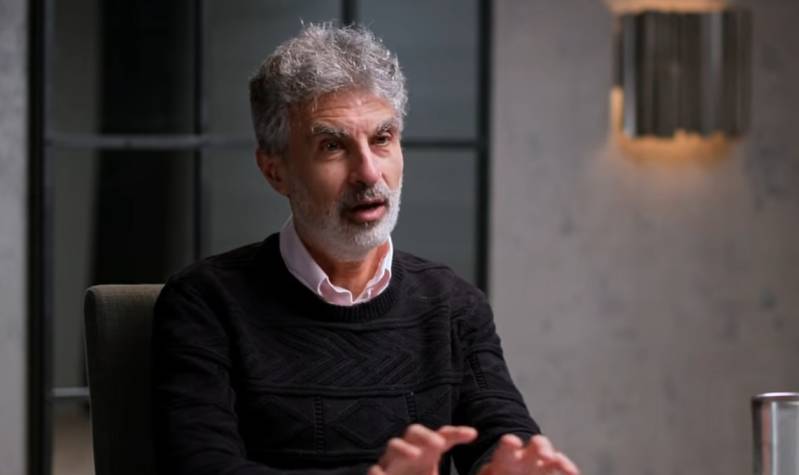
Listen: “Creator of AI: We Have 2 Years…” (Yoshua Bengio)
Whether you agree with the framing or not, this episode is a masterclass in something most podcasts forget: stakes.
The listener is constantly oriented around “why this matters now,” which makes the conversation easier to follow and harder to abandon.
What hosts can steal
- Ask for a plain‑English definition + consequence:
- “What is it?”
- “Why should a normal person care?”
- “What changes if they do nothing?”
- Translate as you go. When the guest goes technical, summarise in one sentence.
- This helps listeners and keeps the guest accountable.
- Use the “example loop”:
- Claim → example → what listeners should do.
What guests can steal
- Bring one analogy that works.
- Not five. One.
- Bring a “headline answer.”
- If the host asks the biggest question, can you answer it in 12 seconds?
- Be willing to say “I don’t know.”
- Credibility rises when you’re clear about uncertainty.
Try this next recording
When a guest says something big, immediately follow with:
“What’s a real‑world example of that happening this year?”
If they can’t answer, the point isn’t ready for prime time.
3) Demis Hassabis on Lex Fridman Podcast — Depth beats speed
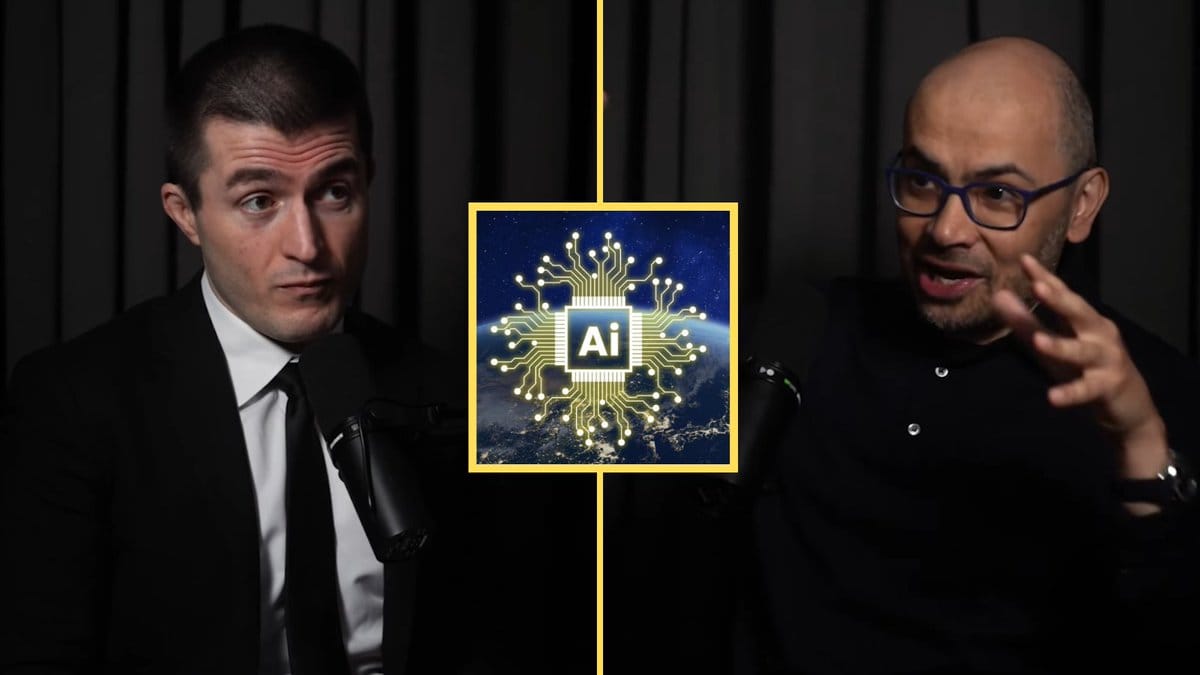
Listen: Lex Fridman Podcast #475 with Demis Hassabis
Long‑form podcasts work when they feel like thinking in public.
This episode shows how to create depth without losing people: careful pacing, real follow‑ups, and space for a guest to reason instead of perform.
What hosts can steal
- Ask one good question and then stay there.
- Depth is a choice.
- Use “one more layer” follow‑ups:
- “What would someone who disagrees say?”
- “What’s the strongest argument against your view?”
- “What would change your mind?”
- Let silence do work.
- Don’t rescue the guest mid‑thought.
What guests can steal
- Answer in layers:
- simple version
- technical version
- implication
- Flag your confidence level.
- “I’m confident about X, less sure about Y.”
- Be specific about trade‑offs.
- “This improves A, but costs B.”
Try this next recording
Pick one moment you’d normally move on — and ask:
“Can we sit on that for a minute? What’s the part most people miss?”
You’ll be shocked how often that’s the clip.
4) Anthony Hopkins on Armchair Expert — Great interviews are story machines
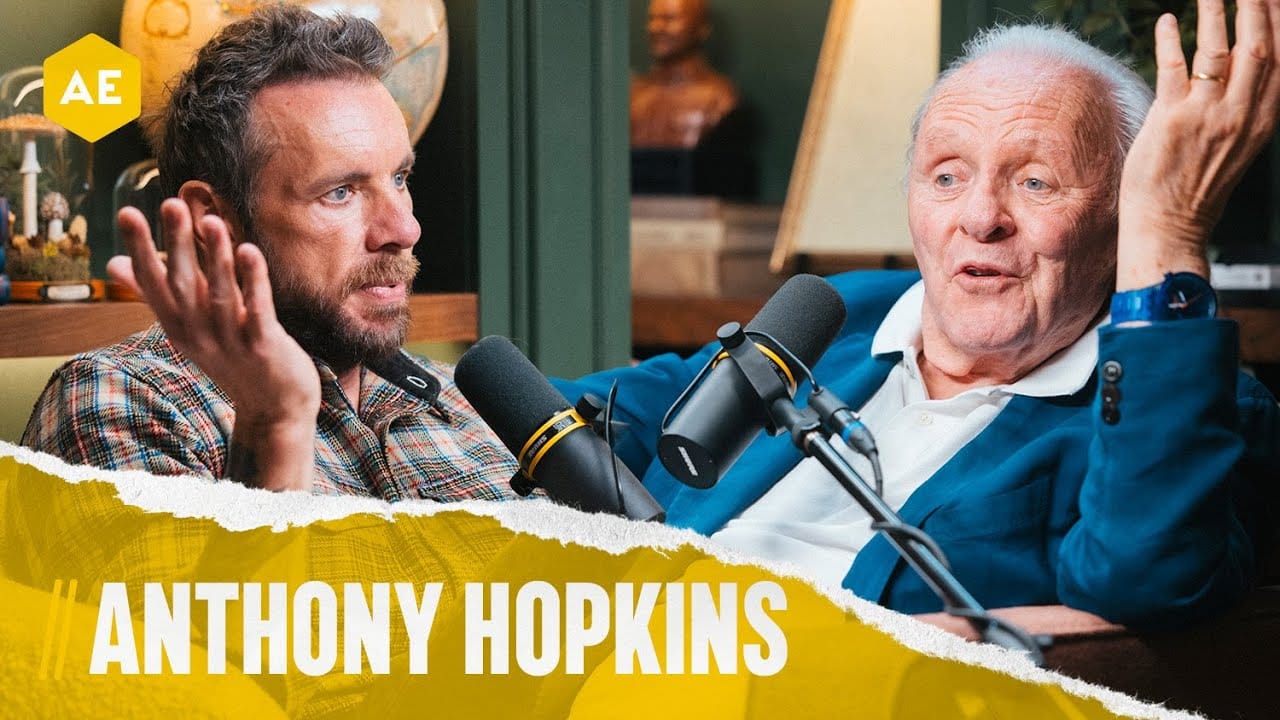
Listen: Armchair Expert: Anthony Hopkins
This is a masterclass in narrative: turning points, emotion, and meaning.
Instead of “tell us about your career,” the conversation pulls out the moments that shaped a person — which is what listeners actually remember.
What hosts can steal
- Ask for turning points, not timelines:
- “What changed you?”
- “What did that cost?”
- “What did it unlock?”
- Go chronological when you want emotion.
- Childhood → formative moment → consequence.
- Don’t interrupt the arc.
- A story needs runway.
What guests can steal
- Bring 3 stories with structure:
- setup → tension → decision → result → lesson
- Practice the 45‑second version.
- You can always expand if the host wants more.
- Give the lesson explicitly.
- Don’t make listeners do the maths.
Try this next recording
Before you hit record, ask the guest:
“What are the three moments that made you who you are?”
Then build the interview around those moments.
5) Andrew Ross Sorkin on Armchair Expert — Chase interesting, then make it useful
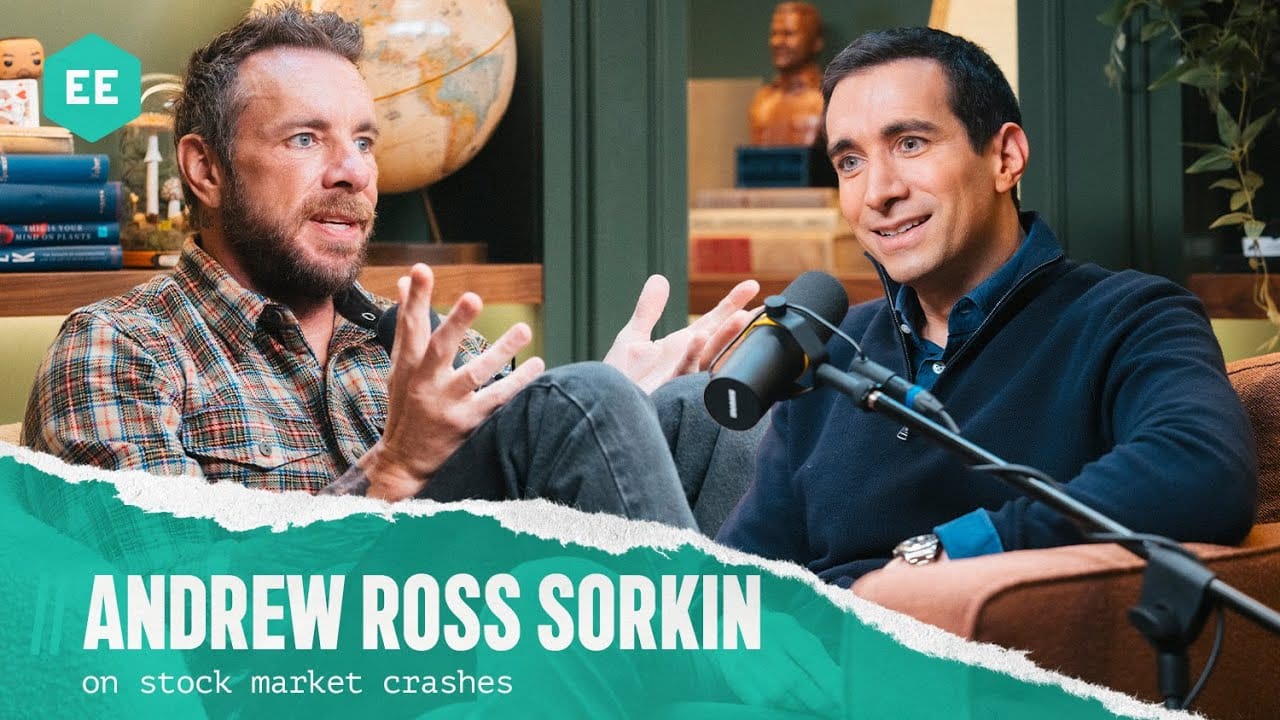
Listen: Armchair Expert: Andrew Ross Sorkin
A common interview trap: the host finds something interesting, then immediately jumps to the next question.
This episode shows the opposite habit: when something has energy, it gets followed until it becomes clear and actionable.
What hosts can steal
- Use the “so what” ladder:
- “So what happened?”
- “Why did that happen?”
- “What does that mean for listeners?”
- Ask for the example. Always.
- If the guest says “people misunderstand this,” respond with “show me.”
- Summarise key points in plain language.
- This increases comprehension and clip potential.
What guests can steal
- Bring receipts:
- one surprising fact
- one personal story
- one practical step
- Answer the question the listener is silently asking.
- “What do I do with this?”
- Keep your ego out of it.
- Specificity beats status.
Try this next recording
When something lands, pause and ask:
“If a listener wants to apply this today, what’s step one?”
If the guest can’t name step one, you don’t have a takeaway yet.
6) Amy Poehler on Conan O’Brien Needs a Friend — Chemistry is a strategy
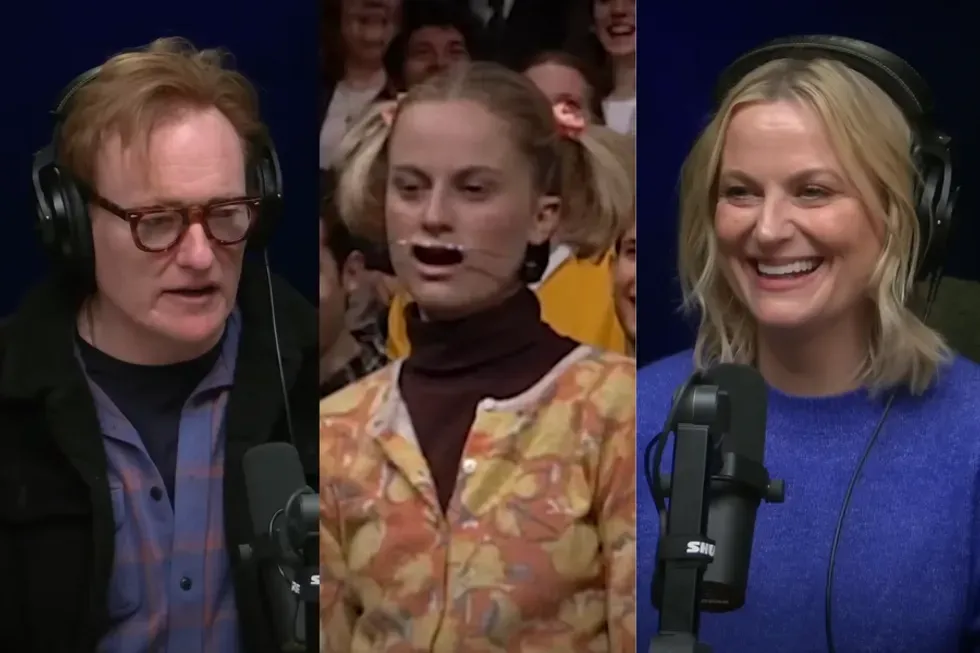
Listen: Conan O’Brien Needs a Friend: Amy Poehler
Not every show needs to be funny, but every show benefits from one thing: ease.
This episode is warm, playful, and candid — and that’s not “just vibes.” It’s the result of deliberate rapport.
What hosts can steal
- Warmth first, depth second.
- A relaxed guest gives you better answers.
- Use micro‑affirmations.
- “That’s interesting.” “Say more.” “I’ve never heard it put like that.”
- Give the conversation breathers.
- A small laugh can reset tension and keep energy up.
What guests can steal
- Match the show’s energy.
- If it’s playful, be playful. If it’s serious, be precise.
- Offer one human detail early.
- Not a trauma dump. A real detail that makes you relatable.
- Be generous.
- Great guests set the host up for good moments too.
Try this next recording
Start with a two‑minute “friendship buffer”:
- ask how their week’s been
- make a quick observation you genuinely noticed (not generic praise)
- confirm the vibe: “More tactical or more story today?”
Two minutes. Big difference.
The 2026 Interview Playbook: Two One‑Sheets (copy, paste, use)
You can have all the theory in the world, but if your prep is chaos, your outcome will be chaos.
So here are the one‑sheets.
One‑Sheet for Podcast Hosts
A) Before you book the guest
- Why this guest, for this audience, right now? (one sentence)
- What’s the listener problem this guest solves?
- Do they have stories, not just opinions?
- Can they speak clearly in a conversational way?
If you want more structure, use this as a companion:
B) The 15‑minute pre‑interview call agenda
- Confirm the “episode promise” (one sentence)
- Ask: “What are your 3 best stories for this topic?”
- Choose one primary story arc (the spine of the episode)
- Confirm CTA + link (one thing only)
- Tech + logistics: recording platform, mic, start time
If you’re recording remotely, this is worth reading (and sending to guests):
C) Your interview structure (simple and reliable)
- 00:00–03:00 — quick context + why the listener should care
- 03:00–10:00 — origin story / credibility (fast, not a biography)
- 10:00–35:00 — the main problem + frameworks
- 35:00–50:00 — stories, examples, turning points
- 50:00–60:00 — recap + next step
D) Your “must‑ask” question set
Pick 8–10 max.
- “What’s the mistake most people make here?”
- “What does ‘good’ look like in practice?”
- “What’s a real example from your work?”
- “What changed your mind about this?”
- “What’s step one for a listener?”
Need inspiration? Start here:
E) Post‑recording outcomes
- Pull 3 clip moments (one insight, one story, one spicy line)
- Draft two social posts while it’s fresh
- Send the guest:
- your preferred share link
- 2–3 suggested captions
- any clip assets you want them to use
For promotion ideas, see:
One‑Sheet for Podcast Guests
A) Before you pitch
- Identify 10 shows where your topic is a clear fit
- Listen to at least 2 recent episodes per show
- Write a pitch that proves you’re not copy‑pasting
Two helpful reads:
B) Your “guest thesis” (write this and don’t overcomplicate it)
Fill in the blanks:
“By the end of this episode, listeners will understand ___, avoid ___, and be able to do ___.”
C) Your 3 talking points (with proof)
For each talking point, bring:
- one story
- one example
- one practical step
If you want a deeper prep guide, bookmark:
D) Your 3 stories (use this structure)
- The origin: why you care
- The failure: what went wrong + what you learned
- The win: what changed + what listeners can copy
E) Your “clip lines” (write 2)
These are short, repeatable lines that work out of context.
Examples:
- “If you can’t explain it in 20 seconds, you don’t understand it yet.”
- “Most people try to fix the tactic. The real fix is the system.”
F) Your CTA (one thing only)
Pick one:
- a free resource
- a newsletter
- a simple landing page
- a “DM me with X” offer
If you’re building materials for bookings, this helps:
Put it all together: a January 2026 plan (for hosts and guests)
If you want to “start 2026 right,” don’t just listen to great interviews. copy their behaviours.
Here’s a simple 4‑week plan:
Week 1: The contract
- Host: add the contract question to every prep call
- Guest: write your thesis + two clip lines
Week 2: Stakes + clarity
- Host: practise translating complex answers in one sentence
- Guest: practise a 12‑second “headline answer”
Week 3: Story and structure
- Host: build one episode around 3 turning points
- Guest: bring 3 stories (origin, failure, win)
Week 4: Chemistry and outcomes
- Host: add a 2‑minute warm‑up buffer
- Guest: match the show’s tone and bring one human detail early
Repeat monthly. That’s how you stack outcomes.
Why this matters even more in 2026
Podcasting keeps getting bigger — and more cross‑platform.
- In the UK, Edison reports mainstream adoption (71% have ever consumed a podcast; 51% monthly; 33% weekly).
- In the UK, weekly podcast consumption is at 39%.
- In the US, Edison reports 70% have listened to a podcast, and 51% have watched a podcast.
Translation: the competition for attention isn’t slowing down.
And when brands invest in podcasting, they care about outcomes too. Nielsen’s research on podcast advertising points to drivers like brand recall, enjoyability, and captivating creative — which are all downstream of one thing: a great listener experience.
So yes, gear matters. Titles matter, distribution also matters, but interviews are still the main event.
Want better interview outcomes this year?
If you’re a host, the fastest way to improve your show is to book guests who:
- understand your audience
- bring stories
- know how to be concise
If you’re a guest, the fastest way to get booked more is to pitch like someone who:
- respects the host’s time
- knows the show
- can deliver a clear takeaway
And if you want to skip the endless back‑and‑forth, MatchMaker.fm exists for exactly that — a trustworthy place where shows and guests can actually find each other, fast.
Here’s the vibe:
- Hosts: find and book high‑quality guests (without the endless Google tabs and cold DM chaos).
- Guests: discover shows that are a real fit (and get “auto‑magic” weekly matches based on your profile).
- Both: chat, collaborate, and organise outreach in one place (shortlists, unified inbox, scheduling integrations).
Right now, MatchMaker.fm has 2,500+ active shows and guests across 100+ niches, with a free trial that lets you start 5 conversations before you take the plunge.
If your 2026 goal is better interviews + better outcomes, don’t just prep harder, match smarter!
Make 2026 the year your interviews stop being “good chats”… and start being growth assets.